





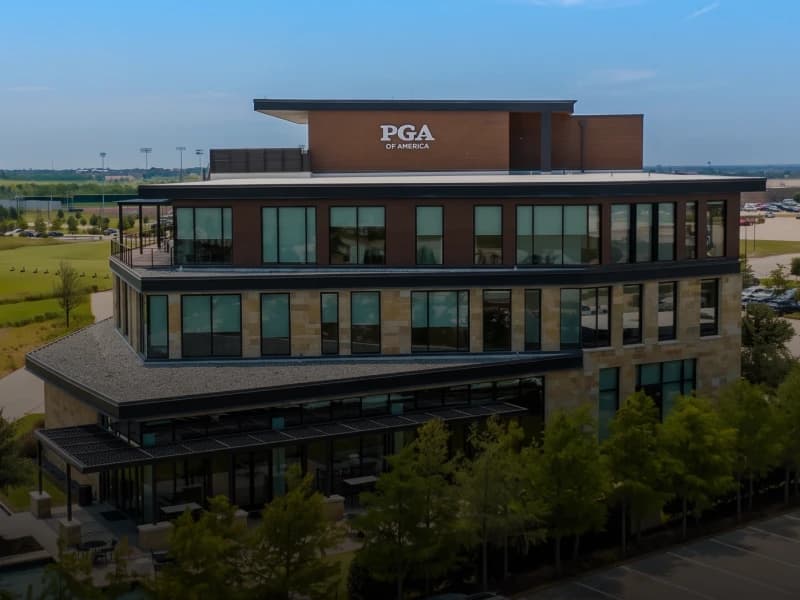





Thriving with Trackman: How indoor golf businesses are expanding
From self-service clubs to social venues and performance centers, indoor golf businesses are growing into new locations and markets.
 Trackman Editorial Team
Is starting an indoor golf business a good investment?
The expansion of indoor golf businesses around the world suggests there is a strong opportunity — particularly for operators with a clear offer and a business model suited to their local market.
According to the National Golf Foundation's 2026 summary of indoor simulators and screen golf, US participation reached 9.2 million in 2025 - an increase of 154% compared with 2019. And with 78% of participants under 50, indoor golf is connecting with an audience that can help shape the game's future.
The relationship with outdoor golf is growing, too. More than five million on-course golfers used simulators in 2025. Nearly three in 10 reported increased on-course activity, while fewer than 2% reported playing fewer rounds. Those findings suggest indoor golf can complement an existing golf habit while also giving new players a way into the game.
Across Trackman-powered businesses, that demand is supporting several routes to expansion. RUFF Golf has grown to 23 locations across six countries. Five Iron Golf has passed 50 locations. Tee Box operates 27 facilities, with another 90 planned. And newer concepts are taking their first steps beyond their original markets.
Their approaches vary. Some prioritize flexible, self-service access. Others combine golf with food, drinks and events. Others build their offer around coaching and measurable improvement. What they share is an ability to turn local demand into thriving businesses with room to grow.
Self-service golf. More access. Room to grow.
For self-service indoor golf businesses, convenience is central to the offer: give members a place to play on their schedule, with an experience they can use independently.
At The Golf Crypt in Florida, that means 24/7 access, private surroundings and a straightforward route from arriving to hitting shots.
Founded in 2022, the business has quickly expanded to four locations, with another planned. Its franchise model combines minimal labor requirements with training, operating manuals, ongoing support and help finding suitable real estate.
For co-founder Frank Drago, keeping members engaged means giving them different reasons to return.
"Trackman gives us flexibility. Members can grind on their swings, join global tournaments, or play hundreds of courses worldwide. That variety keeps people coming back, and that's the foundation of our business."
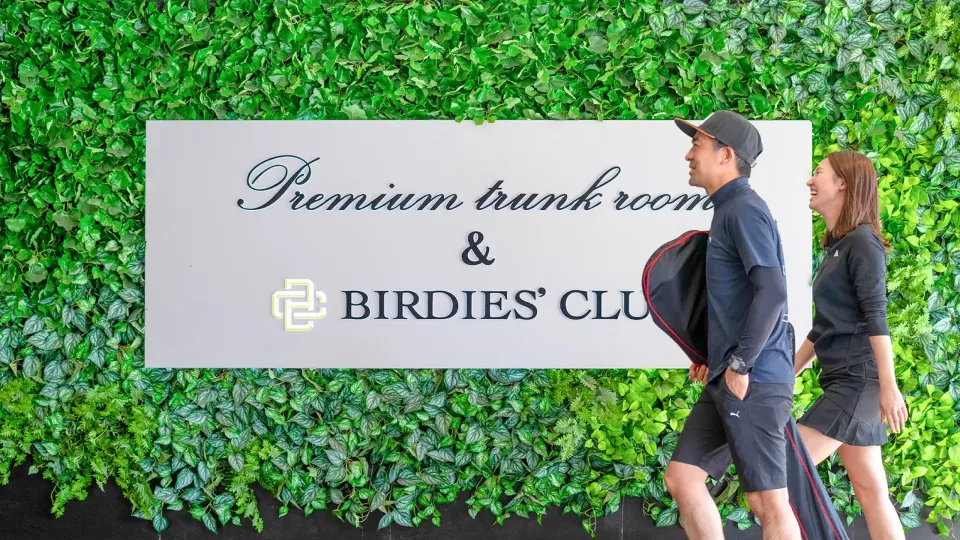
In Japan, BIRDIES' CLUB approaches self-service golf from a different starting point.
Launched in 2024 by real estate company Shintoshikikaku, the concept brings indoor golf into properties the company owns. An unmanned operating model helps reduce staffing costs, while ownership of the buildings removes a separate rental expense.
The first Tokyo location filled its membership slots within a month. The business now has three locations, including expansion into Kyoto, with more planned.
"I think we'll see an increase in unmanned indoor golf facilities in Japan in the future. I think Trackman will have a huge impact. It's the most reliable launch monitor, so I think more and more people will install Trackman," says Atsunori Ikeda, Department Manager with Shintoshikikaku.
These businesses show how self-service golf can serve both customers and operators. Flexible access gives golfers more opportunities to visit, while a defined operating model gives owners a foundation they can take into another location.
Read more: Explore indoor golf franchise opportunities with Trackman
Growing through golf, hospitality and events
Other operators are expanding by making indoor golf somewhere people want to spend an evening.
Food, drinks, events and an inviting atmosphere broaden the reasons to visit. Coaching and practice remain part of the experience, alongside corporate outings, league nights and socializing with friends.
Five Iron Golf began with a small four-bay location in Manhattan in 2017. Its blend of instruction, entertainment and hospitality has since grown into a network of more than 50 locations, with at least six additional sites planned.
That breadth allows the business to welcome people with different levels of golf experience and different reasons for booking a bay. A player working with a coach and a group organizing a social evening can use the same technology in very different ways.
"Trackman is not just best for the serious golfer and the club fitter. It's better for the entertainment side as well," says Jarod Solomon, co-founder and CEO of Five Iron Golf.
RUFF Golf has followed its own path across Europe.
Founded in an old weaving factory in Gävle, Sweden, in 2020, RUFF carried the building's industrial character into a recognizable brand. It now has 23 locations across six countries, with seven more planned.
Its ambitions extend across major cities and smaller communities. Crucially, RUFF reports that customers increasingly visit even when outdoor courses are open — suggesting its experience has become part of their golf routine throughout the year.
For founder and CEO Alexander Bengtsson, dependable technology helps the team concentrate on delivering that experience.

"It's super important for us to have a system and partner in Trackman where everything just functions," says Bengtsson. "We don't come here in the morning, press the start button, and hope it's going to work. We KNOW it's going to work."
Net Par, meanwhile, has grown to 12 locations since opening in 2021, with further expansion planned. Its team combines a background in hospitality with Trackman technology to build its indoor golf offer.
Across these businesses, growth depends on giving customers reasons to choose the venue repeatedly. Golf provides the activity; hospitality, programming and atmosphere help make it a destination.
"What Trackman has done in just the last two years since we opened has been revolutionary and changed the virtual space," says Hunter Carmichael, Managing Director of Net Par. "We know that they're going to keep that going, from launch monitor technology to virtual golf technology, and we are just proud to be a part of it."
READ MORE: Discover Trackman's indoor golf business solutions
Building expansion around improvement
For another group of operators, the strongest reason to return is the opportunity to get better.
Structured coaching, practice programs and feedback give members something to work toward. That ongoing relationship can underpin recurring memberships and support additional services such as fitting, clinics and junior development.
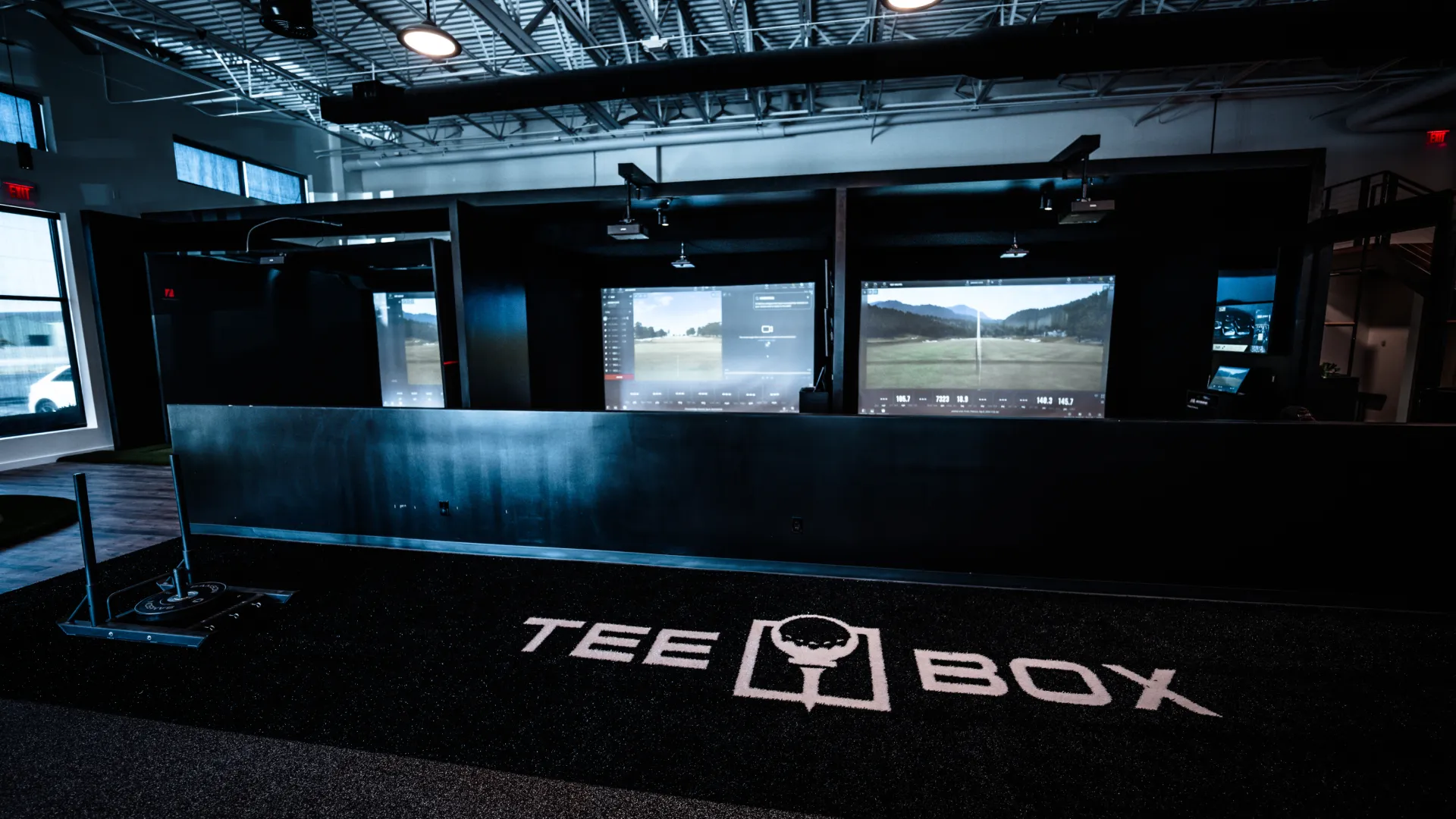
Tee Box began in Ogden, Utah, in 2021 with a concept combining indoor golf, structured training and fitness.
Demand and word of mouth helped the business expand beyond its original market. It now operates 27 locations, with 90 additional facilities planned across 25 states.
Its growth is built around a training methodology that can be introduced to golfers in each new community.
"When starting out, technology was a really important decision and Trackman fits so well. They've been an incredible partner," says Preston Unck, founder and CEO. "They've been able to advance their technology, and their programs and offerings to our customers, and that helps me as a business owner. And that's been hands down the best decision I made in this business."
GolfTRK has taken a similarly focused approach.
Founded in the Kansas City area in 2023, it has grown to seven operating locations, with another 36 planned. Memberships form the foundation of its model, supported by instruction, club fitting, clinics, leagues, junior programs and facility rental.
Early demand gave the founders confidence to expand.
"Our first facility exceeded all of our expectations. We sold out of memberships in just four months. That gave us the confidence to grow this much bigger," says Matt Williams, co-founder and president.
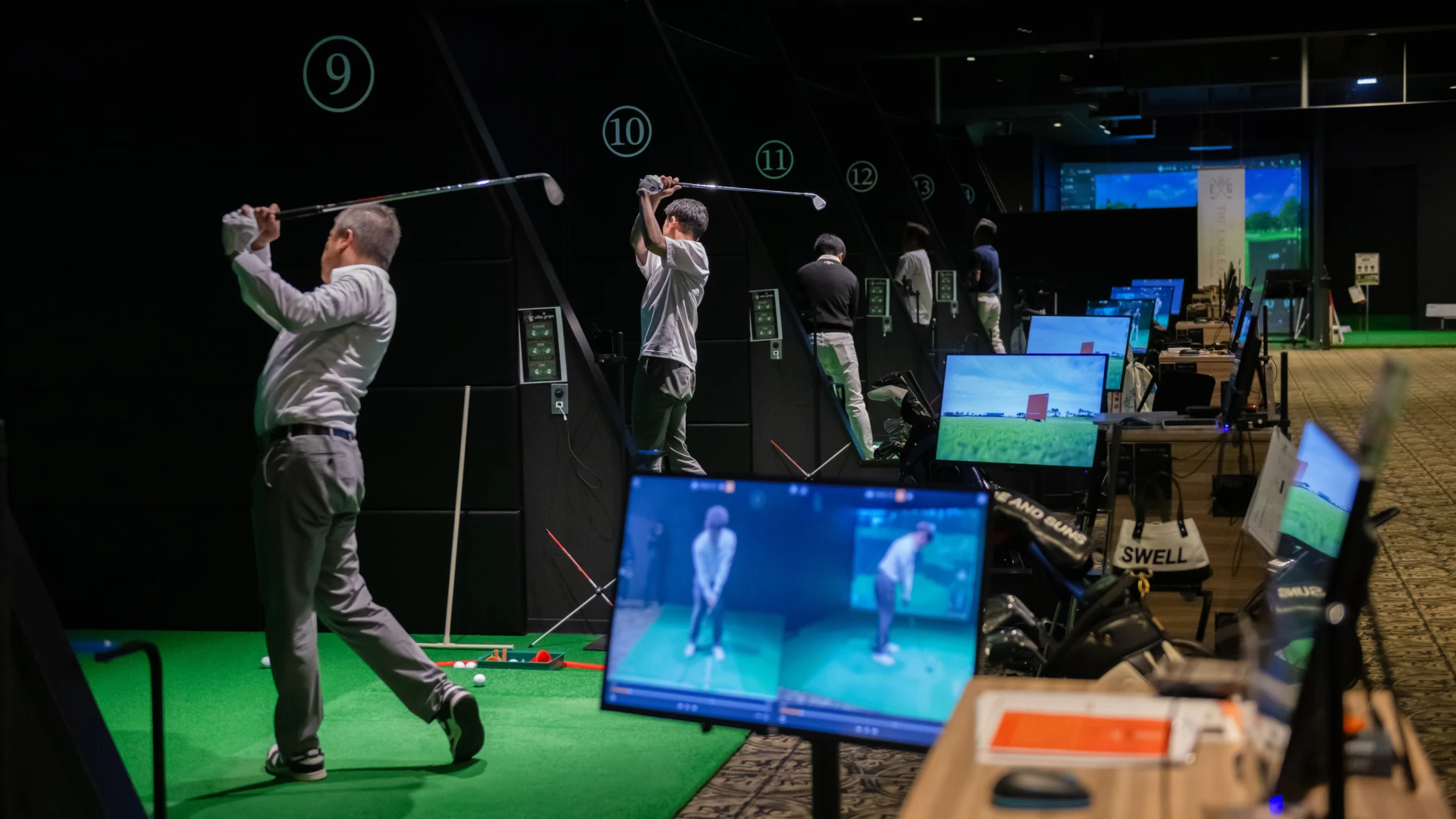
In Japan, THE EAGLE GOLF demonstrates the potential of a larger facility dedicated to player development.
Founded in late 2022, the Sapporo facility features 19 Trackman-equipped bays, supported by coaches and programs for golfers at different stages of development. President Masahiro Miyama says around 30% of new members come through referrals from existing members.
A second location is planned, while Miyama's longer-term ambition is to reach 100 facilities worldwide. The foundation for that ambition is a training experience members value enough to recommend.
"What impressed me most was the clear functionality of Trackman. After all, it's chosen by the world's top players, and with so much data collected from those players, the data is genuine. Trackman provides the most reliable data in the world," says Masahiro Miyama, President of The Eagle Golf.
Opening new markets by bringing golf closer
Expansion can also begin by addressing a barrier that has kept people from playing.
In Mexico City, Bunker Indoor Golf was founded in 2025 to bring the game closer to where people live and work.
High costs, limited access and the distance to outdoor courses can make golf difficult to fit into everyday life. Bunker's urban locations offer a more convenient way to practice, take lessons or play with friends.
The business has grown to three locations and is exploring further opportunities in Mexico and Latin America.
Trackman supports both ends of that customer journey: games offer an approachable introduction, while data gives coaches a way to help players understand their swings as they develop.
"Golf is growing rapidly in Mexico and Latin America. We are absolutely convinced that indoor golf will be the gateway for most future golfers," says Adrián Meléndez, co-founder of Bunker Indoor Golf.
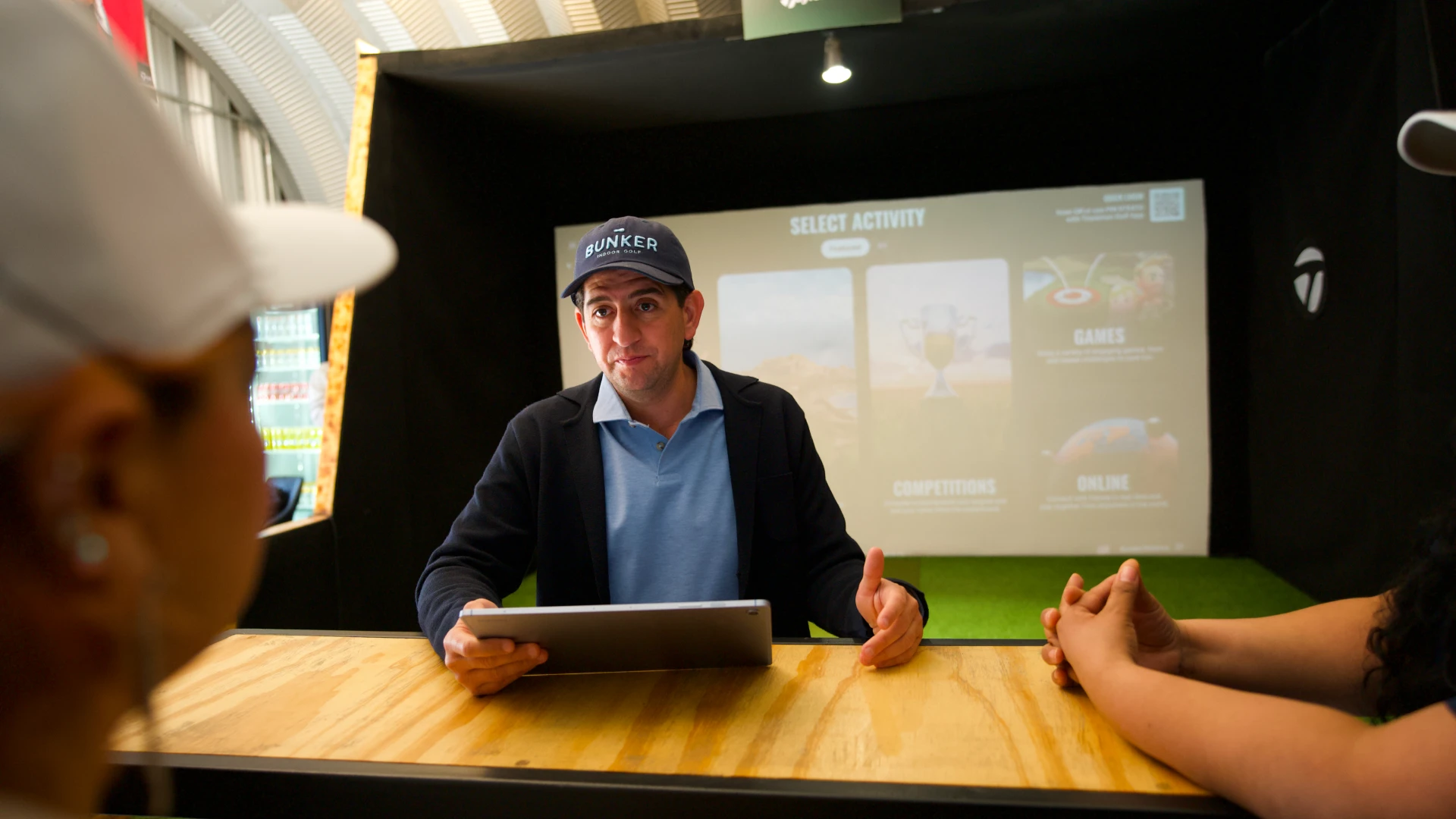
For operators considering a new market, Bunker illustrates an important opportunity: growth can come from making golf easier to access for people who previously struggled to participate.
Read more: The business case for Trackman: How clubs and ranges are driving ROI
From a successful location to a repeatable business
So what's driving the growth of indoor golf businesses? Across these stories, expansion starts with a clear reason for customers to come back.
At The Golf Crypt and BIRDIES' CLUB, flexible access is central. At Five Iron Golf, RUFF and Net Par, the wider experience helps make golf a social destination. At Tee Box, GolfTRK and THE EAGLE GOLF, improvement gives members an ongoing goal. At Bunker, convenient urban access brings the game within reach.
Trackman supports those different concepts through practice tools, virtual golf, games and coaching data. The operators build their businesses around the combination that fits their customers.
For an indoor golf business, the opportunity is to create an experience worth returning to — then build the operations, brand and support needed to deliver it again in the next location.
Looking to start an indoor golf business? Explore how others are growing with Trackman.
Indoor golf business expansion at a glance
As of October 2026:
The Golf Crypt, First opened: 2022, Current locations: 4
BIRDIES' CLUB, First opened: 2024, Current locations: 3
Five Iron Golf, First opened: 2017, Current locations: 50+
RUFF Golf, First opened: 2020, Current locations: 23
Net Par, First opened: 2021, Current locations: 12
Tee Box, First opened: 2021, Current locations: 27
GolfTRK, First opened: 2023, Current locations: 7
THE EAGLE GOLF, First opened: 2022, Current locations: 1
Bunker Indoor Golf, First opened: 2025, Current locations: 3
Frequently Asked Questions (FAQ):
How fast is indoor golf participation growing?
According to the National Golf Foundation's 2026 summary, 9.2 million people in the US participated in simulator and screen golf in 2025, up 154% compared with 2019. That figure measures participation, rather than facility growth or operator revenue.
What types of indoor golf businesses are expanding?
The examples in this article include self-service membership clubs, social venues combining golf with hospitality, facilities focused on coaching and improvement, and urban centers designed to make golf more accessible. Many operators combine elements of several models.
How can Trackman support an indoor golf business?
Trackman provides technology for practice, coaching, virtual golf and games. Operators use those capabilities to support offers including memberships, bay rentals, lessons, leagues, junior programs and events, depending on their business model.
How are indoor golf operators expanding into new locations?
Several businesses featured here use franchising to enter new markets. Others are developing additional company locations or exploring partnerships. Training, operating procedures, brand consistency and a repeatable customer experience are important parts of taking a concept beyond its first site.
Does simulator golf replace outdoor golf?
According to NGF's 2026 summary, the two can complement each other. Among on-course golfers who used simulators in 2025, nearly three in 10 reported increased on-course activity, while fewer than 2% reported a decrease. These are reported participation patterns, rather than proof that simulator use caused the change.
Want to learn more? Check our our Success Stories hub to see the inspiring growth of our franchise partners.